
After a past community visit to see a 400 year old handwritten Quran safeguarded by family custodians over several generations, Ikhlas Foundation has taken interest in helping these custodians. The manuscript has been passed down from one generation to the next, always treated with deep respect. According to family tradition, the Qur’an is taken out and read only during the month of Ramadan, making it both a sacred object and a symbol of continuity within the household.
However as word about the manuscript is spreading, more visitors re coming to see it. While this showed growing interest in local heritage, it has also created new risks. Increased handling, light exposure, and changes in temperature placed added strain on the fragile pages. Like many other custodians, the family did not wish to place their Qur’an in a museum. They feared it might never return, and preferred to keep it at home where their ancestors had protected it for centuries, even though home conditions are not always ideal for preservation.
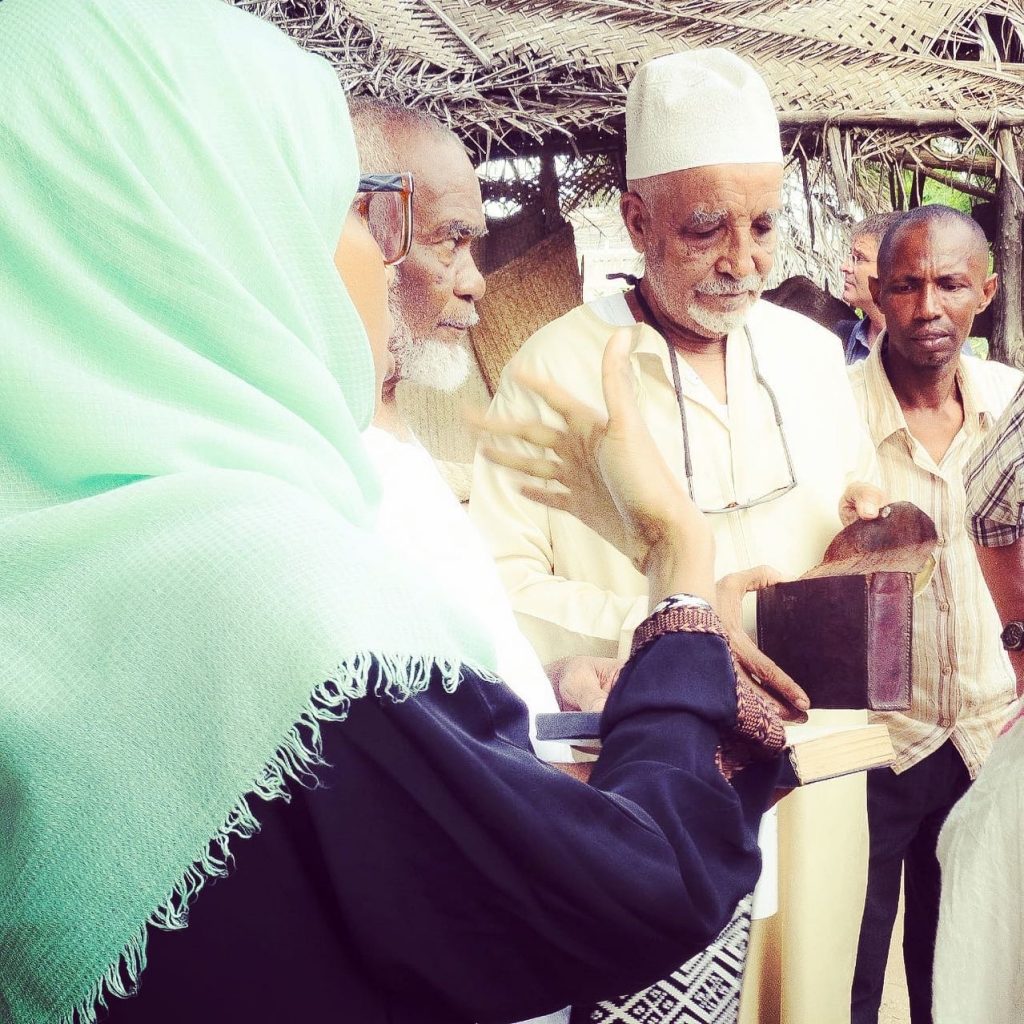
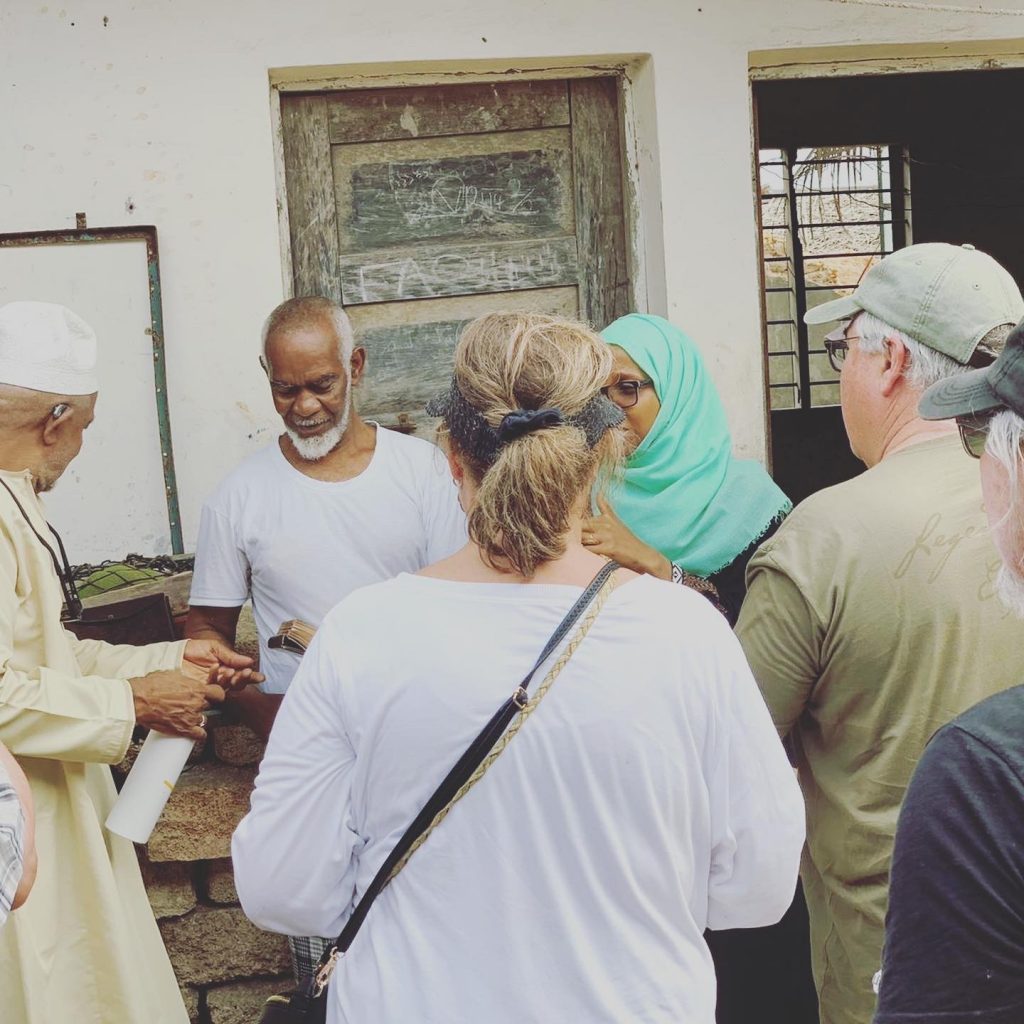
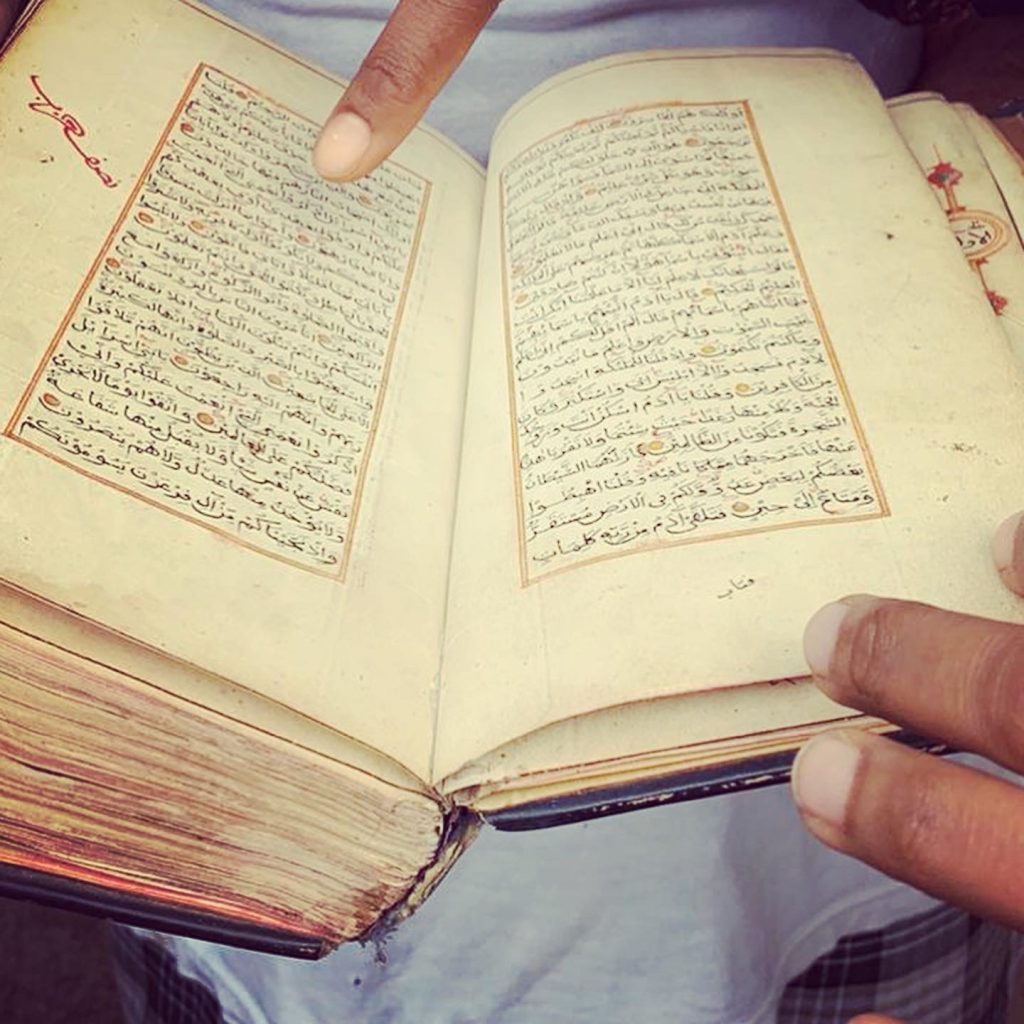
After witnessing the manuscript’s condition, Halal Safaris Africa provided a donation to support its protection. The funds were used to purchase a custom plexiglass display and storage case designed to shield the Qur’an from dust, insects, moisture, and excessive handling while still allowing it to be seen.
This simple but important intervention allowed the family to continue their tradition without risking further damage to the manuscript. It also demonstrated a respectful model of heritage support: rather than removing the Qur’an from its community, the project strengthened preservation within the home itself.
The donation highlighted a wider reality across the region. Many historic Qur’ans remain in private houses and mosques because custodians prefer trust and familiarity over institutional storage. By providing practical tools such as protective cases, this initiative showed that preservation can happen where manuscripts already live, guided by the wishes of the families who have protected them for generations.
Through this act of support, the Qur’an remained where it belongs — in the care of its custodians — while gaining a safer future for the years to come.